
Mold Testing in West Rockhill, PA

Find the Mold You Can't See

We catch hidden contamination before it threatens your health or damages your home—giving you answers, not guesswork.

Hear from Our Customers

Professional Mold Testing Services

Know What You're Dealing With

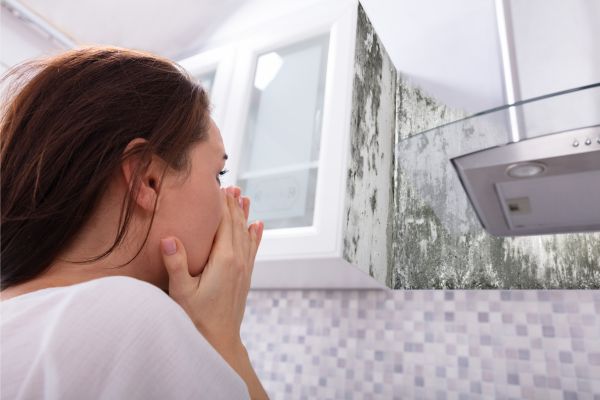
You can’t fix what you can’t see. Mold grows behind walls, under baseboards, in ductwork—anywhere moisture gets trapped. By the time you smell it or see discoloration, the problem’s already spread.

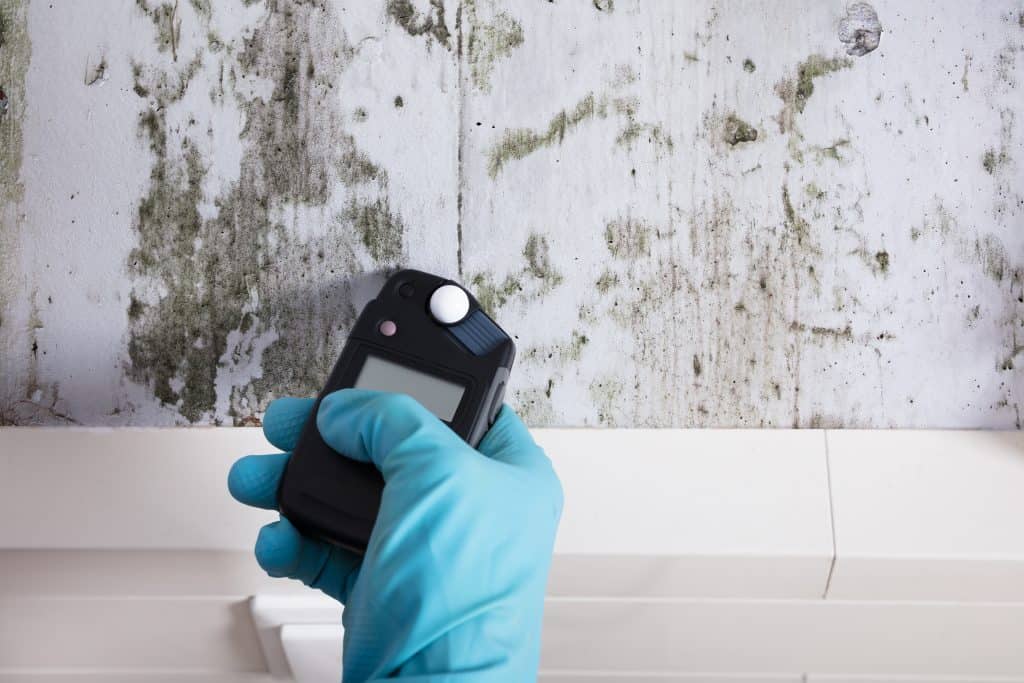
Our professional mold testing uses air sampling, surface analysis, and moisture detection to find contamination you’d never catch on your own. We identify the type of mold, measure spore levels, and pinpoint where it’s growing. That means you get a clear picture of what’s happening in your home—not a guess based on a musty smell.

Once you know what you’re dealing with, you can act. Remove it safely. Protect your family’s health. Stop the damage before it costs you thousands in repairs or medical bills. Testing isn’t about fear—it’s about control.

Mold Testing Company in West Rockhill

We Test Homes in Bucks County Every Day

We serve West Rockhill and the surrounding Bucks County area with certified mold testing and inspection services. We’re IICRC-certified water restoration specialists trained to identify black mold, assess contamination levels, and provide accurate lab reports.

Bucks County’s humid summers and damp winters create perfect conditions for mold growth—especially in older basements and homes with past water damage. We understand the local climate and how it affects your property. Our team uses thermal imaging, moisture meters, and EPA-certified lab testing to give you reliable answers.

We’re not here to upsell you on services you don’t need. We test, report, and recommend next steps based on what we actually find.

How Mold Testing Works

What Happens During a Mold Inspection

First, we walk through your property and conduct a visual inspection. We’re looking for visible mold, water stains, moisture buildup, and areas where conditions favor growth. We use moisture meters and thermal imaging to detect hidden problems behind walls or under flooring.

Next, we collect air samples and surface samples from affected areas. Air sampling captures airborne mold spores you can’t see. Surface sampling tests visible growth to identify the exact type of mold. All samples go to an EPA-certified lab for analysis.

Within a few days, you receive a comprehensive report that identifies mold types, spore concentration levels, and contamination severity. We explain what the results mean in plain language and recommend next steps—whether that’s remediation, moisture control, or monitoring. You’ll know exactly what you’re dealing with and what it takes to fix it.

Ready to get started?

Explore More Services

About Mack's Mold Removal

Residential Mold Testing in West Rockhill

What's Included in Our Testing

Our mold testing starts at $300 and includes a full visual inspection, moisture mapping with specialized tools, and air sampling to detect airborne spores. We use advanced equipment like thermal cameras and laser particle counters to identify hidden moisture sources and mold growth you can’t see.

In West Rockhill and Bucks County, precipitation has increased 5% to 10% in recent years. That means more moisture, more humidity, and more mold—especially in basements, crawl spaces, and attics. Our testing accounts for local climate conditions and focuses on the areas most vulnerable in this region.

You’ll receive lab results from an EPA-certified facility that detail mold type, spore levels, and contamination extent. We also provide a written report with photos, findings, and recommendations. If remediation is needed, we develop a customized plan based on ANSI/IICRC S520 standards. If your home is clear, you get peace of mind backed by certified data.

How much does professional mold testing cost in West Rockhill?

Professional mold testing in West Rockhill typically starts around $300 for a comprehensive inspection. That includes a visual examination, moisture detection, and air sampling. If you need additional surface samples or testing in multiple areas, costs can range from $300 to $650 depending on your property size and the scope of inspection.

DIY mold test kits might seem cheaper, but they’re unreliable. They often produce false negatives and don’t tell you the type of mold or contamination levels—information you need to take action. Professional testing uses EPA-certified labs and advanced tools like thermal imaging and moisture meters that give you accurate, actionable results.

Most homeowners in Bucks County pay around $450 for mold testing services. That’s a small investment compared to the cost of untreated mold damage, which can run into thousands for structural repairs or medical expenses if health issues develop.

A mold inspection is a visual assessment of your property. We look for visible mold, moisture problems, water damage, and conditions that encourage mold growth. We use tools like moisture meters and thermal cameras to detect hidden issues. An inspection tells you where mold is likely growing and what’s causing it.

Mold testing goes further. We collect air samples and surface samples, then send them to a certified lab for analysis. Testing identifies the exact type of mold, measures spore concentration, and determines contamination severity. You get a detailed report with lab results that confirm what’s in your home.

We combine both in most of our services. The inspection finds problem areas, and testing confirms what’s there. If you’re buying a home, dealing with health symptoms, or need documentation for insurance or legal purposes, testing provides the proof you need. If you just want to know if mold is present and where, an inspection might be enough.

The on-site inspection and sample collection usually take one to two hours, depending on your property size and the number of areas we’re testing. We’ll walk through your home, use moisture detection tools, take air samples, and collect surface samples from any visible growth or suspect areas.

Lab analysis takes a few days. Most EPA-certified labs return results within three to five business days. Once we receive the lab report, we’ll contact you to review the findings and discuss next steps.

If you need faster results—say, for a real estate transaction or urgent health concern—some labs offer expedited testing for an additional fee. We’ll work with your timeline. From start to finish, you’re typically looking at about a week to get complete results and a written report with recommendations.

You can buy DIY mold test kits, but they’re not reliable. Most kits only tell you if mold spores are present—which they always are, in every home. They don’t measure concentration levels, identify mold types, or locate hidden growth. You’re left guessing whether you have a problem or not.

Our professional mold testing uses calibrated equipment and certified lab analysis. We measure airborne spore levels, compare them to outdoor baselines, and identify specific mold species—including toxic varieties like black mold. We also use thermal imaging and moisture meters to find hidden contamination behind walls, under floors, or in ductwork.

If you’re dealing with health symptoms, buying or selling a home, or have visible mold growth, professional testing is worth it. You get accurate data, a detailed report, and expert recommendations. DIY kits waste time and money because they don’t give you the information you need to actually solve the problem.

Our professional mold testing can identify dozens of mold species, including the most common indoor varieties like Aspergillus, Penicillium, Cladosporium, and Stachybotrys (black mold). Lab analysis uses direct fungal examination and spore trap sampling to determine exactly what’s growing in your home.

Different molds cause different problems. Some trigger allergies and asthma. Others produce mycotoxins that cause more serious health issues like chronic sinus problems, headaches, or respiratory infections. Black mold is particularly concerning because it thrives in water-damaged areas and releases toxic compounds.

Testing tells you what you’re dealing with so you can respond appropriately. If you have toxic mold, you need professional remediation with containment and HEPA filtration. If it’s a less harmful variety, you might be able to address it with moisture control and surface cleaning. Without testing, you’re guessing—and that’s risky when your family’s health is on the line.

Get tested if you smell a persistent musty odor, see visible mold or discoloration, or notice health symptoms that improve when you leave the house. Chronic coughing, sinus irritation, headaches, or worsening allergies can all signal mold exposure.

You should also test after any water damage—flooding, pipe leaks, roof leaks, or sewage backups. Mold can start growing within 24 to 48 hours of water exposure, often in places you can’t see. Testing confirms whether moisture turned into a mold problem.

In Bucks County, mold growth peaks in late summer when humidity is highest. If your home has poor ventilation, an older basement, or past moisture issues, testing during spring through fall makes sense. It’s also smart to test before buying a home or if you’re preparing to sell and want to address problems upfront. Testing gives you answers so you can act before small issues become expensive repairs.

Other Services we provide in West Rockhill